New
Tool
Product Recalls
The latest product recalls from around the world in one place: food, cars, toys, electronics, medicines and more, from 11 government sources in the US, Canada, the UK, the EU, Australia and Asia.
132 recalls in the past week from 20 countries
743 recalls match · Clear filters · Checked 10 minutes ago
 France
 Germany
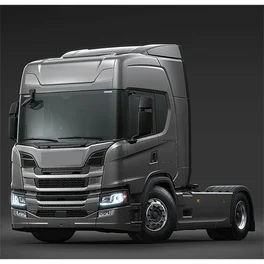
Scania lorry safety alert: injuries risk
A transmission fault may cause the vehicle to accidentally go into a false neutral position and move forward unexpectedly.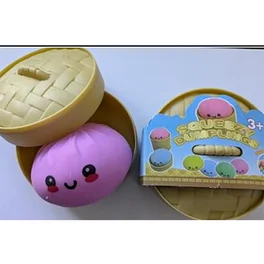
 European Union
Soft toys recall: chemical risk
The product has an excessive concentration of benzene (measured value: 0.002%).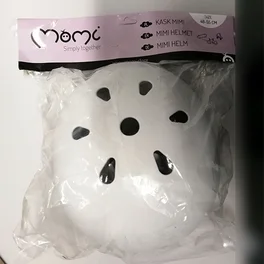
MoMi bicycle helmet safety alert: injuries risk
The helmet fastener can easily open during a fall or accident, causing the helmet to slip off and potentially leading to head injuries.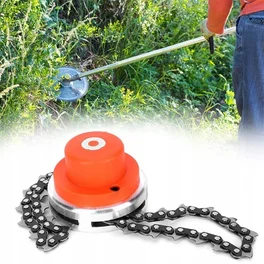
 Poland
Attachment for brush cutter safety alert: injuries risk
The bolts or rivets attaching the chains to the flail-cutter could break.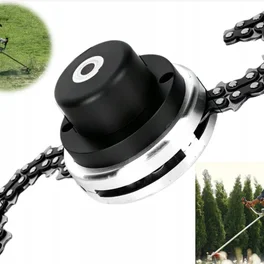
Attachment for brush cutter safety alert: injuries risk
The bolts or rivets attaching the chains to the flail-cutter could break.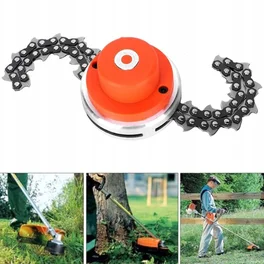
Goaduoynt attachment for brush cutter safety alert: injuries risk
The bolts and rivets attaching the chains to the flail-cutter could break.
Jaguar Land Rover passenger car recall: injuries risk
The idler pulley on the front-end accessory drive (FEAD) belt may over-rotate due to high torsional stress and collide with the oil temperature and pressure sensor.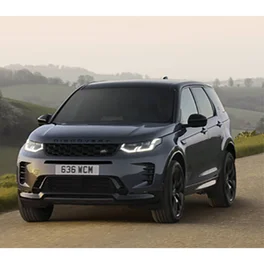
Land Rover passenger car recall: fire risk
A defective module has been installed in the high-voltage battery, which may cause it to overheat and lead to a fire.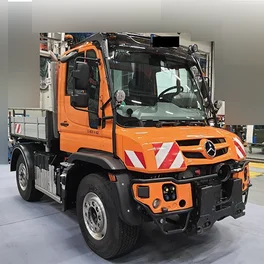
Mercedes-Benz lorry recall: injuries risk
The ball joints installed in tie rods of Unimog 405 and Unimog 437 vehicles may not have fully undergone the prescribed hardening process.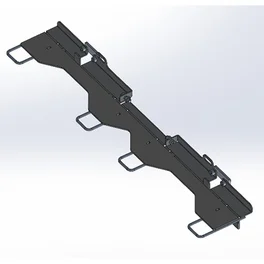
Aguti vehicle part / ISOFIX attachment system recall: injuries risk
Due to the inadequate welding of the joints for the ISOFIX anchor points, they can easily break in the event of an accident, causing injuries.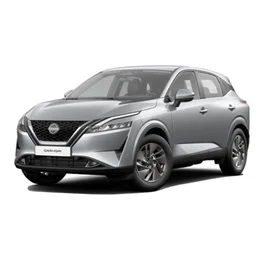
Nissan passenger car recall: fire risk
During engine operation, the fuel line may move within its retaining clip in the engine compartment.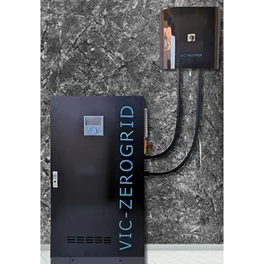
VIC battery storage recall: fire risk
Due to the lack of a battery management system, the battery cells could be damaged, giving rise to the risk of fire.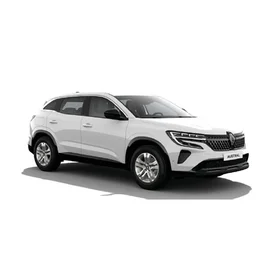
Renault passenger car recall: injuries risk
The ABS-ESP control unit may have been incorrectly programmed by the supplier, preventing detected failures from being communicated to the vehicle dashboard.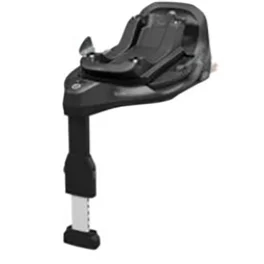
MAXI COSI base for car seat recall: injuries risk
A visual indicator on the base may be disturbed if the car seat is not removed in accordance with the instructions.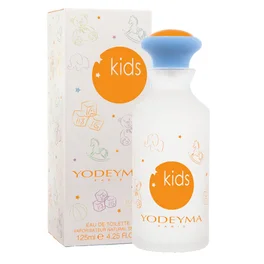
 Spain
Yodeyma eau de toilette recall: chemical risk
The product contains benzyl alcohol, but the presence is not indicated in the list of ingredients.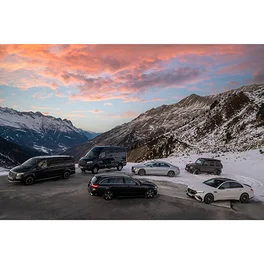
Mercedes-Benz passenger car recall: injuries risk
The wheel bolts were not tightened in accordance with the torque specifications.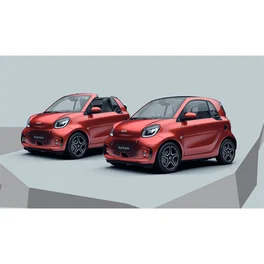
Smart passenger car recall: injuries risk
The wheel bolts were not tightened in accordance with the torque specifications.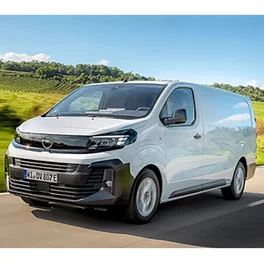
Opel passenger van / Light commercial vehicle recall: fire risk
The starter body may contact the battery’s positive cable due to insufficient cable protection.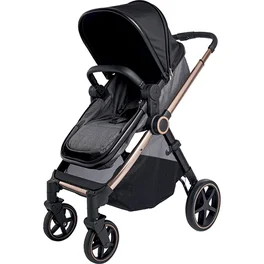
TEX BABY baby stroller recall: injuries risk
The rear wheels of the stroller are not properly fixed.
Jaguar passenger car recall: fire risk
Thermal overload can occur in the high voltage battery, creating a risk of fire.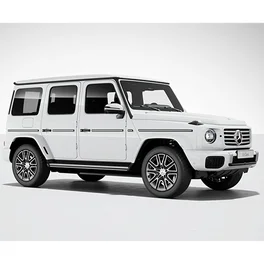
Mercedes-Benz passenger car recall: injuries risk
The wheel bolts used do not meet the requirements and may detach, leading loss of driving stability, increasing the risk of an accident.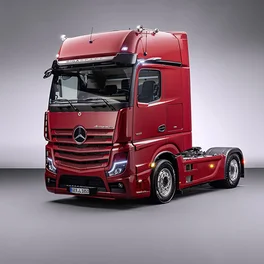
Mercedes-Benz lorry safety alert: injuries risk
Some factory fitted Michelin tyres (models X MULTI Z and X LINE ENERGY Z, size 355/50 R 22.5) may develop a crack along the sidewall that worsens with use.Questions
Where do these recalls come from?
Straight from the government agencies that publish them: the CPSC, FDA and NHTSA in the United States, Health Canada, the CFIA and Transport Canada, the UK's Office for Product Safety and Standards and Food Standards Agency, the EU's Safety Gate, Product Safety Australia and Food Standards Australia New Zealand, and the OECD's GlobalRecalls portal for Korea, Japan and other countries. Every recall links to the agency's own notice.
How often is the list updated?
We check most agencies every hour and a few every 30 minutes, so a recall usually appears here within an hour or two of being published. The time of the last check is shown above the list.
How do I check if something I own has been recalled?
Search for the brand, the product name, or a model, lot or batch number from the label. Then open the recall and compare the identifying details (model numbers, UPCs, dates) with your product; a recall often covers only some batches or production dates. For a car, use the manufacturer's or the regulator's VIN lookup.
What should I do if my product has been recalled?
Follow the 'What to do' section of the recall, which comes from the official notice. Usually that means stopping use straight away and contacting the company for a refund, repair or replacement. You normally don't need a receipt, and the remedy is free.
Can I follow new recalls?
Yes. Every list has an RSS feed with the same filters, so you can follow, say, food recalls in Canada or recalls for a brand you own in any feed reader.
About
Check whether something you own has been recalled, and follow new recalls as they’re published. We collect recalls and safety alerts from government agencies around the world every hour and put them in one searchable list, newest first.
Every recall gets its own page: what’s affected and how to identify it (models, lot codes, UPCs, dates), the hazard, what to do, where it was sold, and a link to the official notice. Browse by category or country, or follow any list with RSS.
How it works
- Straight from the source. Recalls come from the CPSC, FDA and NHTSA (US), Health Canada, the CFIA and Transport Canada, the UK’s Office for Product Safety and Standards and Food Standards Agency, the EU’s Safety Gate, Product Safety Australia, Food Standards Australia New Zealand, and the OECD’s GlobalRecalls portal for Korea, Japan and other countries.
- Checked every hour. A few agencies are checked every 30 minutes, so most recalls appear within an hour or two of publication.
- Search by what’s on the label. Brand, product name, model number, batch or lot code.
- Sorted for you. Each recall is filed under a category (food, vehicles, kids and baby, electrical, health and beauty, home) and tagged with its hazards, such as fire, choking or undeclared allergens.
Notes
Recall notices are summarised from the agencies’ official data, and every page links to the original. Always check the official notice before acting on a recall. LabAnvil isn’t affiliated with any of the agencies listed.
A little guidance
Get more from your tools
Practical guide 3 min read
Recall classes explained: Class I, II and III
What the FDA's recall classes, Canada's classes and types, and UK and EU alert levels mean, with how often each one comes up.
Practical guide 3 min read
How to check if your car has a recall
Find the recalls for your make and model, confirm with your VIN whether your car is affected, and know what do-not-drive and park-outside warnings mean.
Practical guide 3 min read
What to do if something you own is recalled
Refunds, repairs, replacements and proof of destruction: what to expect, and how to handle recalled food, medicines, batteries and children's products safely.
More tools
See allMarkdown Tools
Tool · New
18 free Markdown tools that run in your browser: an editor, slides, a README generator, Markdown to PDF, Word, Slack and Jira, a linter and more.
Label Maker
Tool · New
Print labels from Excel, Google Sheets or a CSV file: pick an Avery-compatible sheet, skip used labels and download a PDF. Addresses, QR codes and barcodes.
Printable Planners & Trackers
Tool · New
14 free printable planners and trackers: weekly and monthly plans, routines, meals, chores, budgets, workouts and more. Edit and print in your browser.